
Beyond the Basics: A Retailer’s Guide to Sourcing Premium Montessori Wooden Toys
By YUCI Team | 5 min read
In the rapidly growing global toy market, wooden toys have made a massive resurgence. Driven by the popularity of the Montessori philosophy and a shift towards sustainability, parents are turning away from plastic and looking for toys that offer genuine educational value.
For retailers and distributors, this presents a huge opportunity—but also a challenge. The market is flooded with generic products, and inconsistent quality can risk your brand's reputation.
How do you distinguish a premium product from a mediocre one? As a manufacturer dedicated to blending traditional craftsmanship with modern innovation, we have compiled the definitive checklist for sourcing high-quality Montessori wooden toys.

1. Safety is the "Silent Feature"
For wooden toys, safety isn't just a checkbox; it is the foundation of the product. When evaluating a supplier, look deeper than the basic certificates.
-
The Wood Source: High-quality toys use solid hardwoods like Beech or Rubberwood, which are durable and splinter-resistant. Avoid suppliers who rely heavily on low-grade plywood that can delaminate over time.
-
The Finish: This is critical for teething babies. Ensure the manufacturer uses certified non-toxic, water-based paints and varnishes. A simple smell test can often reveal if harsh solvents were used.
-
Compliance: Always ask for up-to-date test reports (ASTM F963 for the US, EN71 for Europe) specifically for the batch you are purchasing.
Pro Tip: At YUCI, we believe safety starts at the design phase. We use AI simulations to test structural integrity before the first prototype is even carved.
2. True Montessori vs. "Montessori-Style"
Just because a toy is made of wood doesn't make it Montessori. A true Montessori toy is designed to isolate a specific skill and encourage focus.
When curating your inventory, ask: "Does this toy do too much?"
-
Passive Toys, Active Children: The best toys are 90% child and 10% toy. They shouldn't have flashing lights or battery-powered sounds.
-
Purposeful Design: Look for items like Object Permanence Boxes, Stacking Rings with intentional sizing, or Sensory Blocks. These products have a proven track record in education and consistent demand from parents.
-
3. The Sensory Hand-Feel
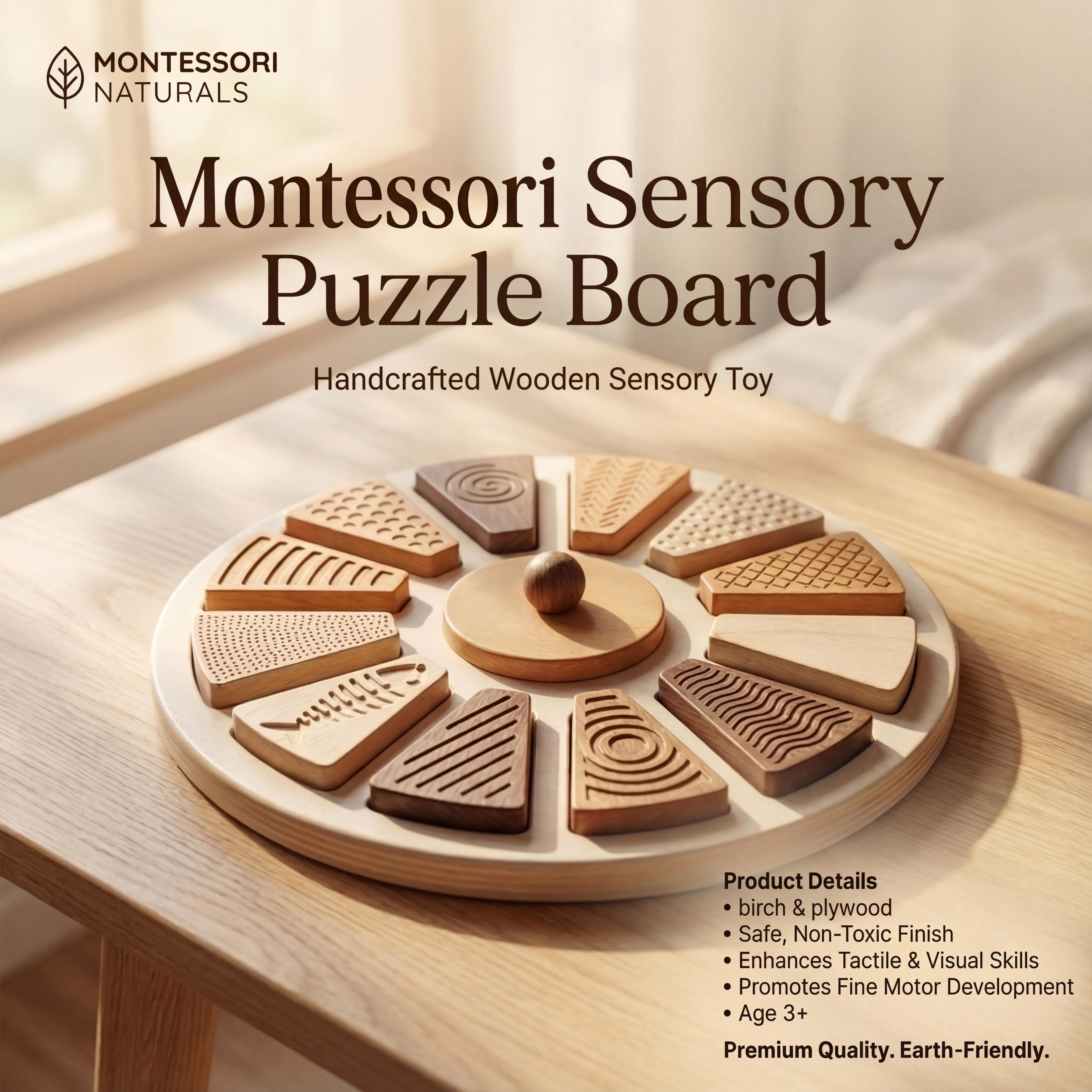
Online sourcing makes it hard to touch the product, but the "hand-feel" is what triggers a repeat purchase once the customer holds the box.
-
Sanding: Edges should be buttery smooth. There should be no sharp corners (chamfered edges are a sign of quality manufacturing).
-
Weight: There is a specific "heft" to quality wood that plastic cannot replicate. This weight provides proprioceptive feedback to a child's developing hands.
-
4. Innovation: The Competitive Edge
This is where the industry is changing. Traditionally, wooden toy manufacturing has been slow to adapt to trends. Retailers often complain that "everything looks the same."
To stand out, look for a supplier who innovates.
At YUCI, we are pioneering a Hybrid Design Process. We utilize AI technology to rapidly conceptualize new themes—from our unique Sloth IP characters to festive collections—and then bring them to life with traditional woodworking. This allows our B2B partners to access unique, market-tested designs faster than their competitors.
Conclusion: Choose a Partner, Not Just a Factory
Sourcing is about more than finding the lowest price; it is about finding a manufacturing partner who cares about the end-user as much as you do.
Whether you are looking for classic educational staples or unique, AI-designed concepts that capture the imagination, quality must always come first.
Ready to upgrade your inventory? Explore the YUCI collection today. We offer flexible wholesale solutions and custom design services to help your brand grow.
[ Contact Us for Custom Designs]



